Japan Travel Guide for First Timers
Japan can feel intimidating before you arrive. The language looks unfamiliar, the train map looks like a bowl of noodles, and you may have heard long lists of rules. In practice it is one of the easiest countries to travel in once you understand a few basics. It is clean, safe, organized and full of people who will go out of their way to help, even without a shared language.
This guide covers what a first-time visitor actually needs to know: when to go, where to go, how to move around, and how to avoid the small mistakes that cause awkward moments.
When to go
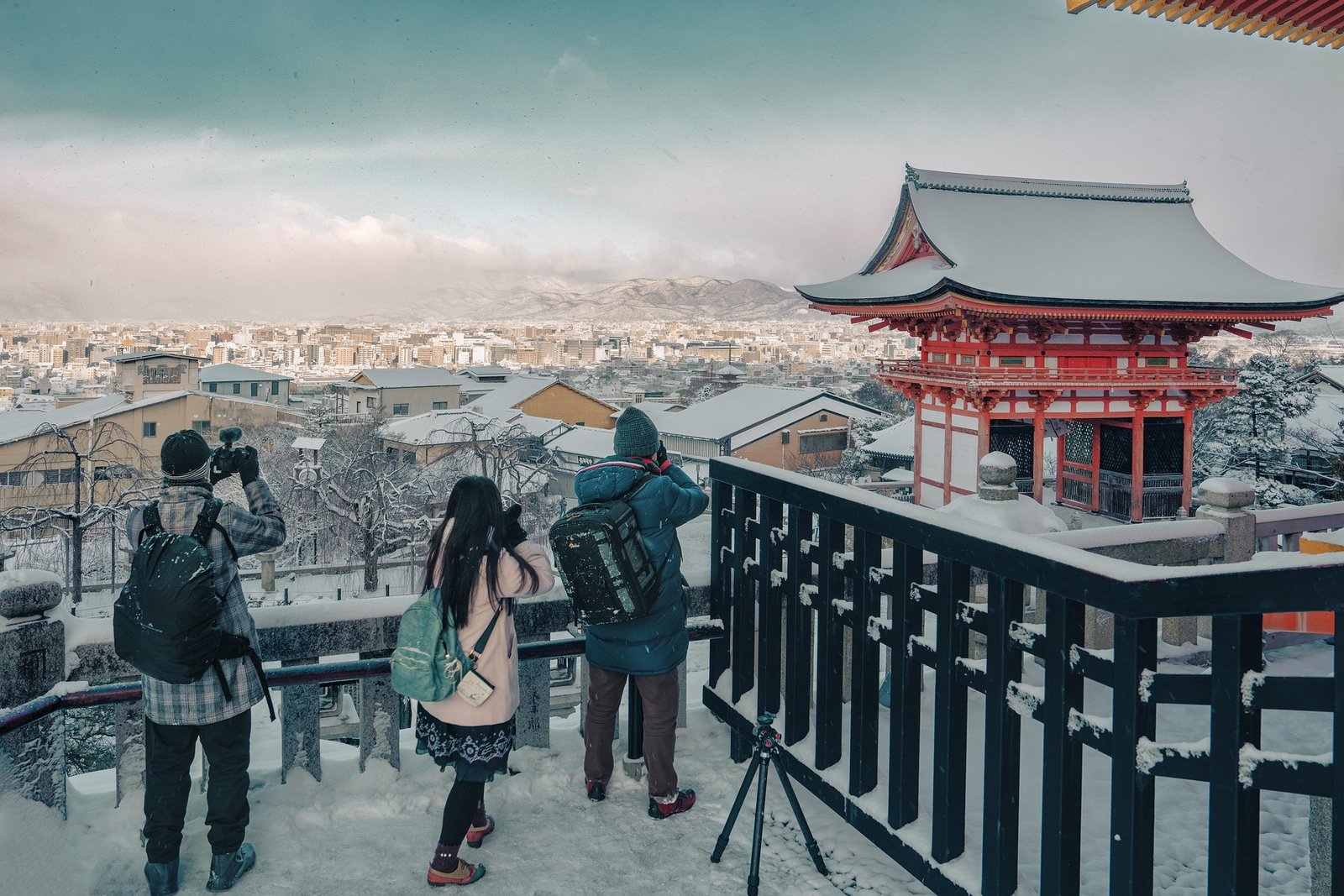
Japan has four distinct seasons, and each one offers something different. Spring brings cherry blossoms, usually from late March into early April in the Tokyo and Kyoto area, though the exact timing shifts every year. Autumn, especially November, is known for red and gold leaves. Both seasons are popular, so book early. Summer is hot and humid, and a rainy season usually arrives in June. Winter is cold but dry in much of the country and is the time for hot springs and snow in the north and in the mountains.
Also note Golden Week, a cluster of national holidays from late April to early May, when domestic travel peaks and trains and hotels fill quickly. If you can, avoid it.
Entry basics
Many nationalities can visit Japan for short tourism stays without a visa, but this depends on your passport, so confirm with the official Japanese government sources. Japan also offers an online system called Visit Japan Web, where travelers can register immigration and customs information before arrival to speed up the process at the airport.
Be careful with medications. Japan has strict rules on certain over-the-counter and prescription drugs that are legal elsewhere, including some common cold medicines containing pseudoephedrine and some ADHD medications. If you take regular medication, check the rules and carry documentation from your doctor.
Where to go on a first trip
Most first-time visitors follow what is called the Golden Route, linking Tokyo, Kyoto and Osaka, sometimes with side trips to Nara or Hiroshima. It is popular because it works. You get a mix of ultramodern city life and traditional culture without long travel days.
Tokyo is huge, and it helps to think of it as many small cities. Shinjuku and Shibuya are for neon, department stores and busy crossings. Asakusa has Senso-ji, Tokyo’s oldest temple, and a more traditional atmosphere. Ueno has museums and a large park. Harajuku mixes youth fashion with the quiet forest around Meiji Shrine. Give Tokyo at least four days.
Kyoto was Japan’s imperial capital for over a thousand years and holds a large number of temples and shrines. Fushimi Inari, famous for its thousands of red gates climbing a hillside, is best visited early in the morning or in the evening to avoid crowds. Kinkaku-ji, the golden pavilion, and the bamboo grove in Arashiyama are other classics. In the Gion district, you might spot geiko and maiko, but remember these are working people, not photo props. Follow local signs about where photography is not allowed. Three days is a good minimum.
Osaka is known as Japan’s kitchen. Its Dotonbori area is full of street food such as takoyaki (octopus balls) and okonomiyaki (savory pancakes). It is livelier and more casual than Kyoto, and it also works as a base for day trips.
Nara, a short train ride from both Kyoto and Osaka, is famous for the free-roaming deer in its park and for Todai-ji, which houses a giant bronze Buddha. It makes an easy half-day or full-day trip.
Getting around
Japan’s trains are famously punctual, and the system is easier than it first appears. Google Maps works very well for routes, platforms and transfer times, and it tells you which exit to use.
For daily travel inside cities, get a rechargeable IC card, such as Suica or Pasmo. You tap it on the gate for trains, subways and many buses, and also in many convenience stores and vending machines. Some of these cards can now be added to a smartphone wallet, depending on the phone model, so check before you leave.
For travel between cities, the Shinkansen (bullet train) is fast and comfortable. Tokyo to Kyoto takes a little over two hours on the quickest service. The Japan Rail Pass used to be a must-have, but its price rose sharply in late 2023, and for a simple Tokyo, Kyoto and Osaka trip it is often cheaper to buy individual tickets. Add up your planned journeys before you decide.
Etiquette on trains is simple: keep your voice low, put your phone on silent mode, avoid phone calls and avoid eating on local trains. Long-distance trains are more relaxed about eating, and many people buy ekiben, boxed meals made for train journeys.
Etiquette without the anxiety
Visitors worry a lot about rules, but locals are generally forgiving of foreigners who make an honest effort. A few habits go a long way:
Take your shoes off when entering homes, some restaurants, temples and traditional inns. There is usually a step or a change of floor level to show where. Do not tip, because it is not part of the culture and can cause confusion; good service is simply expected. Do not eat while walking in busy streets, as it is considered impolite; finish your snack near the stall. And when you use chopsticks, never stick them upright in rice or pass food from chopstick to chopstick, since both are linked to funeral rituals.
Public trash cans are rare, so carry a small bag for your waste and throw it away at your hotel or at a convenience store.
If you plan to use an onsen, a natural hot spring bath, learn the process first. You wash thoroughly before entering the shared bath, you enter without clothes, and the small towel stays out of the water. Some onsen restrict entry for people with tattoos, though more places are becoming flexible. Private baths are an option if you are unsure.
Food
Eating is a major reason to visit. Ramen, sushi, tempura, curry rice and grilled skewers are everywhere, and many cheap meals are excellent. Convenience stores such as 7-Eleven, Lawson and FamilyMart are far better than the name suggests, with fresh sandwiches, rice balls, salads and hot snacks.
Some restaurants use ticket machines at the entrance. You choose and pay, then hand the ticket to the staff. If the machine is only in Japanese, look for pictures or ask someone to help. Many menus have photos. Vegetarians and people who avoid pork should be careful, because dashi (fish stock) and pork-based broths appear in many dishes that look vegetarian.
Money and connectivity
Japan is more card-friendly than it used to be, but cash still matters, particularly in small restaurants, temples and rural areas. Convenience store ATMs generally accept foreign cards, which makes withdrawing yen easy. Mobile data is simple through an eSIM or a rented pocket Wi-Fi device.
Emergency numbers are 110 for police and 119 for fire and ambulance. Japan is among the safest countries for travelers, but you should still buy travel insurance, since medical care for visitors can be expensive.
Packing and luggage
Pack lightly. Hotel rooms can be small, and stairs at train stations can be long. Japan also has an excellent luggage forwarding service called takkyubin, where you can send your suitcase from the airport or a hotel to your next hotel for a modest fee, and travel with just a small bag on the train. Many first-time visitors say this is a lifesaver.
Walking shoes matter more than anything else. A typical day often involves 15,000 steps or more.
Final thoughts
Japan rewards curiosity. You do not need to speak Japanese or understand every custom. Be polite, be patient, keep your things tidy, and be willing to try something unfamiliar. Whether you are standing among temple gates in Kyoto or sharing a counter at a tiny ramen shop in Tokyo, the experience tends to be easier and warmer than first-timers expect.